Dark and forgotten cultural heritage – inspiration for teacher training
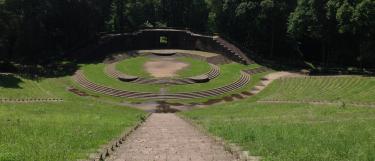
The starting point for this interdisciplinary project, which combines cultural heritage studies with educational science and subject-specific didactic issues, is the current research being conducted as part of the project “Die nationalsozialistischen Thingstätten: Un|Sichtbares Erbe im erinnerungskulturellen Diskurs” (The National Socialist Thingstätten: Visible/Invisible Heritage in the Discourse on Remembrance Culture), which has been funded by the Fritz Thyssen Foundation since February 2020 (project director: Stefanie Samida). Two interlinked transfer initiatives are at the heart of the project: During the funding period, a continuing education event for secondary school teachers and M.Ed. students will be designed and implemented in cooperation with the Heidelberg School of Education (HSE). Closely linked to this is the creation of two lesson plans (including teaching materials) for secondary school teachers. Both measures examine practices of cultural heritage production and transformation, focusing in particular on the negotiation processes involved in dealing with material sites. The central concern is to develop a critical understanding of the new research approaches and their practical application, as well as to strengthen the visibility of cultural heritage studies and anchor them in teacher training and thus also in the classroom.
News
Project leader
PD Dr. Stefanie Samida
At the Chair of Public History
